Source High Activity Pancreatin Food Enzyme for supplements, baking, and digestion
Compare 30 listings for High Activity Pancreatin Food Enzyme from verified Chinese suppliers. View specifications like purity, activity units, and packaging options to find the right enzyme for your application.
Key considerations
Products List




Comprehensive Sourcing Guide
Strategic Sourcing Guide for High Activity Pancreatin Food Enzyme
Procuring High Activity Pancreatin Food Enzyme requires a disciplined approach that balances technical performance with rigorous supply chain verification. Pancreatin is a complex mixture of digestive enzymes derived from the pancreas of animals, primarily used in the food industry for protein hydrolysis, flavor development, and nutritional supplementation. Unlike single-enzyme products, pancreatin contains proteases, lipases, and amylases working in concert. Buyers must navigate a market where product attributes vary significantly based on the source material, extraction method, and intended application. This guide outlines the critical factors for sourcing this ingredient, focusing on the specific technical and compliance realities observed in the current supply landscape.
Technical Specifications and Enzyme Activity Profiles
The core value of high activity pancreatin lies in its enzymatic potency and the specific ratio of its constituent enzymes. When evaluating potential suppliers, the primary technical metric to verify is the activity level. In the observed market data, specific models such as HB-Pancreatin and HB-Trypsin are listed with standardized activity claims. For instance, comparable enzyme products in this category often cite standards such as 4000U/G, indicating the unit of activity per gram of product. Buyers must understand that "high activity" is not a universal constant but a relative term dependent on the specific assay method used by the manufacturer.
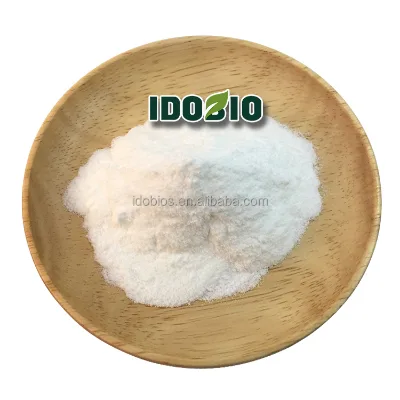
The physical form of the enzyme is another critical specification. The majority of high-quality pancreatin products in the current supply chain are available as a white powder. This physical state facilitates uniform mixing in food processing applications and ensures consistent dosing. The purity of the powder is equally significant; observed specifications frequently indicate purity levels exceeding 99%, with some active substance content claims reaching above 90%. However, buyers should treat these figures as product-specific observations rather than guaranteed benchmarks for all suppliers. The active substances within the powder must be verified through specific testing methods, such as High-Performance Liquid Chromatography (HPLC), to ensure the concentration of proteolytic and lipolytic enzymes matches the label claim.
Furthermore, the stability of the enzyme is dictated by its storage requirements. The product must be stored in a cool, dry place to maintain its activity over time. Observed shelf life data suggests a typical duration of two years, though some specific formulations may have a minimum shelf life of twelve months. The packaging plays a vital role in preserving this stability. Common packaging configurations include 1kg foil bags for smaller batches and 25kg drums or cartons for industrial volumes. The use of aluminum foil bags is particularly important as it provides a moisture and light barrier, protecting the enzyme from degradation during transit and storage.
Compliance, Certification, and Regulatory Standards
Navigating the regulatory landscape is perhaps the most critical step in sourcing food-grade enzymes. Pancreatin intended for human consumption must adhere to strict safety and quality standards. The supply chain for this ingredient typically involves suppliers who hold a robust portfolio of certifications. Verified data indicates that compliant manufacturers often possess HACCP (Hazard Analysis and Critical Control Points), FDA registration, and ISO certifications. These certifications are not merely marketing tools but are essential for demonstrating a commitment to food safety management systems.
In addition to general food safety certifications, specific pharmacopoeial standards are often required. Products may be graded according to BP (British Pharmacopoeia), USP (United States Pharmacopeia), or other international standards. The observed market includes references to USP standards, with activity levels sometimes denoted in multiples of USP units (e.g., 2x USP, 4x USP, 6x USP). This implies that the product meets specific potency thresholds defined by these authoritative bodies. Buyers must explicitly request the Certificate of Analysis (CoA) to confirm which USP or BP standard the specific batch meets.
The origin of the product also influences regulatory acceptance. Most high-activity pancreatin in the current market originates from China, with specific manufacturing hubs noted in regions like Shaanxi and Xi'an. While the geographic origin is a fact of the supply chain, it does not inherently dictate quality. Instead, the quality is determined by the manufacturer's adherence to Good Manufacturing Practices (GMP) and their ability to provide traceability. Suppliers should be able to demonstrate that their raw materials are sourced from natural resources and that the production process maintains the integrity of the enzyme. The "Food Grade" designation is a mandatory baseline, ensuring the product is safe for human ingestion, but it must be backed by the aforementioned certifications to be considered reliable for commercial food production.
Cost Drivers and Pricing Dynamics
Understanding the cost structure of high activity pancreatin is essential for budgeting and negotiation. The price of this enzyme is not static and is influenced by several variables, including activity level, purity, packaging, and order volume. The observed price range in the market spans from 2 to 100 USD, a wide spectrum that reflects the diversity of product grades and quantities. Lower-priced items typically correspond to lower activity levels or bulk industrial grades, while higher-priced items may represent specialized, high-potency formulations with stringent quality controls.
The Minimum Order Quantity (MOQ) is a significant factor affecting the effective cost per unit. Data indicates that MOQs can range from 1kg to 1000kg. Suppliers offering an MOQ of 1kg are often catering to R&D departments or small-scale manufacturers, which may result in a higher unit price due to the logistical overhead of handling small shipments. Conversely, bulk orders of 25kg or more, often shipped in drums, generally offer a more favorable cost structure. Buyers must balance their inventory needs against the unit cost to optimize their procurement strategy.
Customization is another cost driver. The availability of customized products allows buyers to tailor the enzyme activity or packaging to their specific production lines. However, customization often incurs additional costs and may extend lead times. The standard packaging options, such as 1kg foil bags or 25kg drums, are generally more cost-effective. Additionally, the single gross weight and package dimensions (e.g., 40x20x40 cm) impact shipping costs. Buyers should calculate the total landed cost, including freight, which can vary significantly based on the density of the packaging and the volume of the shipment.
Typical Applications in Food Processing
High activity pancreatin serves diverse functions across the food industry, primarily driven by its enzymatic capabilities. Its primary application is in the production of nutrient supplements, where it aids in the digestion and absorption of proteins and fats. The product is suitable for adult consumption, making it a key ingredient in dietary aids and functional foods. The natural resource base of the enzyme aligns with consumer trends favoring natural ingredients over synthetic alternatives.
Beyond supplementation, pancreatin is utilized in protein hydrolysis processes. By breaking down complex protein structures into smaller peptides and amino acids, it improves the solubility and digestibility of protein ingredients. This is particularly valuable in the production of hydrolyzed protein powders, infant formulas, and specialized medical foods. The enzyme's ability to act on both proteins and fats (lipases) makes it versatile for flavor development, where it can release specific fatty acids that contribute to the sensory profile of cheese, meat products, and fermented foods.
The application also extends to the clarification of beverages and the modification of starches, although its primary strength remains in protein and lipid hydrolysis. The specific activity of the enzyme determines its efficiency in these processes. For instance, a product with a standard of 4000U/G may be required for high-volume industrial hydrolysis, whereas a lower activity product might suffice for small-batch flavor enhancement. Buyers must match the enzyme's activity profile to their specific process requirements to ensure optimal yield and product quality.
Supplier Evaluation and Quality Control Protocols
Selecting the right supplier requires a rigorous evaluation process that goes beyond price comparisons. Buyers should prioritize suppliers who provide comprehensive documentation, including Certificates of Analysis, Certificates of Origin, and detailed specifications sheets. The presence of certifications like HACCP, FDA, ISO, BRC, and GMP should be verified through official channels or third-party audits. The consistency of these certifications across different product lines is a strong indicator of a supplier's reliability.
Quality control is paramount when dealing with biological enzymes. Buyers must ensure that the supplier employs robust testing protocols, such as HPLC, to verify the content of active substances and purity levels. The observed standard of >99% purity and >90% active substance content should be confirmed for every batch. Additionally, the supplier should have a clear policy on shelf life management, ensuring that products are shipped with sufficient remaining shelf life, typically two years from the date of manufacture.
The packaging integrity is also a critical quality control point. The use of aluminum foil bags and drums must be verified to ensure they are free from defects that could compromise the product's stability. Suppliers should provide data on the single gross weight and package dimensions to facilitate logistics planning. Furthermore, the availability of samples is a crucial step in the evaluation process. Most suppliers offer samples, allowing buyers to conduct their own internal testing to verify activity levels and physical properties before committing to a large order.
Long-Term Procurement and Supply Chain Resilience
Establishing a long-term relationship with a supplier of high activity pancreatin requires a focus on supply chain resilience and continuous improvement. The market for food enzymes is subject to fluctuations in raw material availability and regulatory changes. Buyers should seek suppliers who demonstrate the ability to adapt to these changes while maintaining consistent quality. The availability of customized products suggests that suppliers are willing to collaborate with buyers to meet evolving market demands.
Storage and handling requirements must be clearly communicated and adhered to throughout the supply chain. The instruction to store the product in a cool, dry place is critical for maintaining enzyme activity. Buyers should ensure that their own storage facilities meet these requirements and that their logistics partners are equipped to maintain temperature and humidity control during transit.
Finally, buyers should consider the scalability of their supply chain. As production volumes increase, the ability of the supplier to fulfill larger orders without compromising quality or lead times becomes essential. The observed MOQ range of 1kg to 1000kg suggests that suppliers can accommodate various scales of operation, but buyers must confirm the supplier's capacity to handle peak demand periods. By focusing on technical specifications, compliance, and supplier reliability, buyers can secure a stable supply of high activity pancreatin that meets the rigorous demands of the food industry.
FAQs
What certifications do High Activity Pancreatin Food Enzyme suppliers typically hold?
Suppliers typically hold HACCP, FDA, ISO, BRC, and GMP certifications. These credentials verify adherence to food safety management systems and ensure the product meets international regulatory standards for human consumption.
How is the purity of High Activity Pancreatin Food Enzyme verified?
Purity is verified using High-Performance Liquid Chromatography testing methods. Observed specifications indicate purity levels exceeding 99% with active substance content often above 90%, requiring batch-specific analysis for confirmation.
Which packaging formats are standard for High Activity Pancreatin Food Enzyme?
Standard packaging includes 1kg foil bags and 25kg drums or cartons. Aluminum foil bags provide essential moisture and light barriers to protect enzyme stability during transit and storage in cool, dry conditions.
Can High Activity Pancreatin Food Enzyme be customized for specific needs?
Yes, customized products are available to tailor activity levels or packaging. Customization may affect lead times and unit costs, making it suitable for specialized production lines requiring specific enzyme profiles.
What is the typical shelf life of High Activity Pancreatin Food Enzyme?
The typical shelf life is two years when stored correctly. Some formulations may have a minimum shelf life of twelve months, provided they are kept in cool, dry places to maintain enzymatic activity.
How does the Minimum Order Quantity affect pricing for High Activity Pancreatin Food Enzyme?
MOQs range from 1kg to 1000kg, influencing the unit price significantly. Smaller orders like 1kg often carry higher unit costs due to logistical overhead, while bulk 25kg shipments offer more favorable pricing structures.